Lending systems fail before they break. Most teams only see it too late.
Oru Guard detects the conditions that lead to bad debt, liquidation failures, and systemic risk, before they surface.
Built for DeFi lending protocols (Aave / Compound forks, L2)
Lending systems fail before they break. Most teams only see it too late.
Oru Guard detects the conditions that lead to bad debt, liquidation failures, and systemic risk, before they surface.
Built for DeFi lending protocols (Aave / Compound forks, L2)
Lending systems fail before they break. Most teams only see it too late.
Oru Guard detects the conditions that lead to bad debt, liquidation failures, and systemic risk, before they surface.
Built for DeFi lending protocols (Aave / Compound forks, L2)
Task management has never been easier since we started using this Notion template. It's intuitive, customizable, and keeps us all on the same page.

Jasmin Reinhard
YouTuber
I was skeptical at first, but this Notion task management template has exceeded my expectations. It's simplified our workflow and increased our team's efficiency.

Mark Thompson
Social Manager
Notion's task management template has revolutionized how we prioritize and track our projects.

Jasmin Reinhard
Content Creator
Our team was struggling to stay organized until we found this Notion task management template.

Black Anderson
YouTuber
This Notion task management template has become an integral part of our daily workflow. It's streamlined our processes and improved communication across the board.

Jason Patel
Writer
Notion's task management template has become our secret weapon for staying organized and productive.

Kate Doe
Content Manager
Where lending systems fail
Oru Guard surfaces the conditions that typically precede system instability before they turn into incidents.
Abnormal Borrowing & Liquidity Stress
Detect shifts in borrowing, utilization, and liquidity pressure that signal growing instability in the system.
Governance & Parameter Change Risk
Track changes to protocol parameters and governance actions that shift liquidation behavior and system risk.
Concentration & Behavioral Anomalies
Identify concentration, correlated positions, and borrower behavior that increase cascade risk.
Incident Signals & Escalation Context
Turn fragmented on-chain signals into clear context on what is changing and why it matters.
Where lending systems fail
Oru Guard surfaces the conditions that typically precede system instability before they turn into incidents.
Abnormal Borrowing & Liquidity Stress
Detect shifts in borrowing, utilization, and liquidity pressure that signal growing instability in the system.
Governance & Parameter Change Risk
Track changes to protocol parameters and governance actions that shift liquidation behavior and system risk.
Concentration & Behavioral Anomalies
Identify concentration, correlated positions, and borrower behavior that increase cascade risk.
Incident Signals & Escalation Context
Turn fragmented on-chain signals into clear context on what is changing and why it matters.
Where lending systems fail
Oru Guard surfaces the conditions that typically precede system instability before they turn into incidents.
Abnormal Borrowing & Liquidity Stress
Detect shifts in borrowing, utilization, and liquidity pressure that signal growing instability in the system.
Governance & Parameter Change Risk
Track changes to protocol parameters and governance actions that shift liquidation behavior and system risk.
Concentration & Behavioral Anomalies
Identify concentration, correlated positions, and borrower behavior that increase cascade risk.
Incident Signals & Escalation Context
Turn fragmented on-chain signals into clear context on what is changing and why it matters.
Why this matters
Most lending failures are visible before they happen
they’re just not recognized in time.
Risk builds silently
Bad debt forms through conditions that go unnoticed until it’s too late.
Liquidations fail under pressure
When liquidity and pricing diverge, liquidation assumptions stop holding.
Governance shifts risk instantly
Parameter changes reshape system behavior the moment they are applied.
Concentration drives instability
Risk accumulates in a few positions before spreading across the system.
Signals come before incidents
Most failures are preceded by patterns that are not recognized in time.
Data isn’t the problem
The issue is identifying what matters while the system is under stress.
Why this matters
Most lending failures are visible before they happen
they’re just not recognized in time.
Risk builds silently
Bad debt forms through conditions that go unnoticed until it’s too late.
Liquidations fail under pressure
When liquidity and pricing diverge, liquidation assumptions stop holding.
Governance shifts risk instantly
Parameter changes reshape system behavior the moment they are applied.
Concentration drives instability
Risk accumulates in a few positions before spreading across the system.
Signals come before incidents
Most failures are preceded by patterns that are not recognized in time.
Data isn’t the problem
The issue is identifying what matters while the system is under stress.
Why this matters
Most lending failures are visible before they happen
they’re just not recognized in time.
Risk builds silently
Bad debt forms through conditions that go unnoticed until it’s too late.
Liquidations fail under pressure
When liquidity and pricing diverge, liquidation assumptions stop holding.
Governance shifts risk instantly
Parameter changes reshape system behavior the moment they are applied.
Concentration drives instability
Risk accumulates in a few positions before spreading across the system.
Signals come before incidents
Most failures are preceded by patterns that are not recognized in time.
Data isn’t the problem
The issue is identifying what matters while the system is under stress.
How it works
Oru Guard operates as a detection layer on top of your protocol’s on-chain activity.
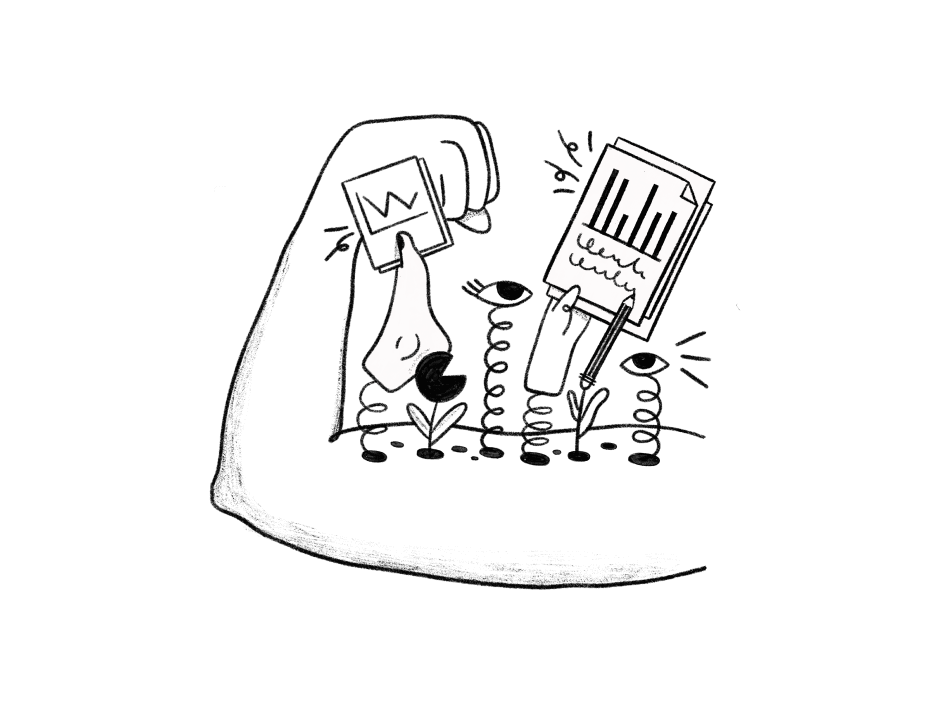
Protocol-Level Visibility
Oru Guard observes lending markets, utilization, and system dynamics directly from on-chain activity.
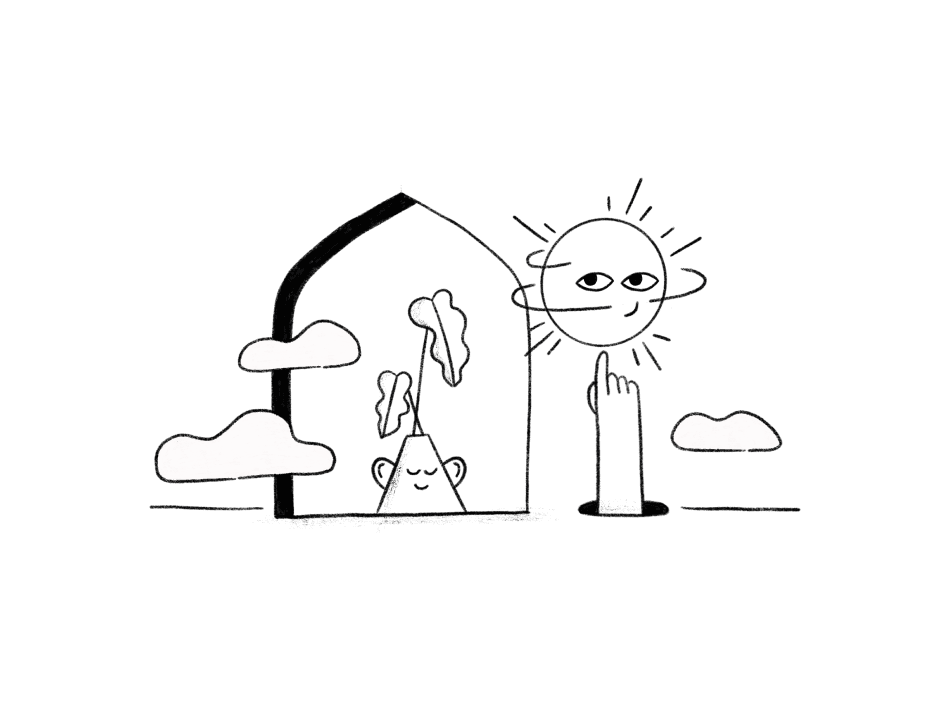
Detection Logic
The system tracks borrowing behavior, liquidation conditions, oracle dependencies, and parameter changes.
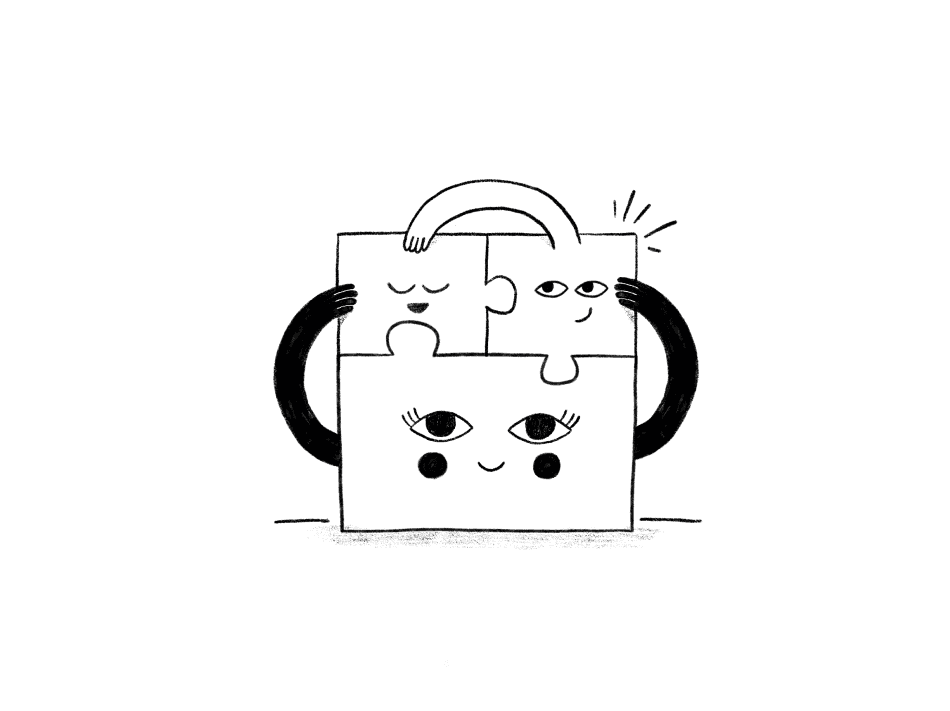
Signal Interpretation
Oru Guard surfaces what is changing, why it matters, and what it can lead to.
How it works
Oru Guard operates as a detection layer on top of your protocol’s on-chain activity.
Protocol-Level Visibility
Oru Guard observes lending markets, utilization, and system dynamics directly from on-chain activity.
Detection Logic
The system tracks borrowing behavior, liquidation conditions, oracle dependencies, and parameter changes.
Signal Interpretation
Oru Guard surfaces what is changing, why it matters, and what it can lead to.
How it works
Oru Guard operates as a detection layer on top of your protocol’s on-chain activity.
Protocol-Level Visibility
Oru Guard observes lending markets, utilization, and system dynamics directly from on-chain activity.
Detection Logic
The system tracks borrowing behavior, liquidation conditions, oracle dependencies, and parameter changes.
Signal Interpretation
Oru Guard surfaces what is changing, why it matters, and what it can lead to.
FAQ
Frequently Asked Questions
What does Oru Guard actually do?
It detects the conditions that lead to lending failures — before they become visible as bad debt, failed liquidations, or system stress.
Is this a monitoring dashboard or a detection system?
It’s a detection layer. Oru focuses on identifying failure patterns, not displaying raw metrics.
Does this require changes to our protocol or contracts?
No. Oru operates on top of on-chain activity and does not require contract changes.
What kind of protocols is this built for?
EVM-based lending protocols, including Aave / Compound forks and L2 markets.
What happens when we request a risk review?
We identify where risk is most likely to accumulate in your system and define an initial detection scope.
FAQ
Frequently Asked Questions
What does Oru Guard actually do?
It detects the conditions that lead to lending failures — before they become visible as bad debt, failed liquidations, or system stress.
Is this a monitoring dashboard or a detection system?
It’s a detection layer. Oru focuses on identifying failure patterns, not displaying raw metrics.
Does this require changes to our protocol or contracts?
No. Oru operates on top of on-chain activity and does not require contract changes.
What kind of protocols is this built for?
EVM-based lending protocols, including Aave / Compound forks and L2 markets.
What happens when we request a risk review?
We identify where risk is most likely to accumulate in your system and define an initial detection scope.
FAQ
Frequently Asked Questions
What does Oru Guard actually do?
It detects the conditions that lead to lending failures — before they become visible as bad debt, failed liquidations, or system stress.
Is this a monitoring dashboard or a detection system?
It’s a detection layer. Oru focuses on identifying failure patterns, not displaying raw metrics.
Does this require changes to our protocol or contracts?
No. Oru operates on top of on-chain activity and does not require contract changes.
What kind of protocols is this built for?
EVM-based lending protocols, including Aave / Compound forks and L2 markets.
What happens when we request a risk review?
We identify where risk is most likely to accumulate in your system and define an initial detection scope.
Request a Risk Review
Share your protocol
we’ll identify where it is most likely to break.
Request a Risk Review
Share your protocol
we’ll identify where it is most likely to break.
Request a Risk Review
Share your protocol
we’ll identify where it is most likely to break.
© Copright 2025 Oru
© Copright 2025 Oru
© Copright 2025 Oru